.jpg)
The Tooth the Whole Tooth and Nothing But the Truth About Implant Success
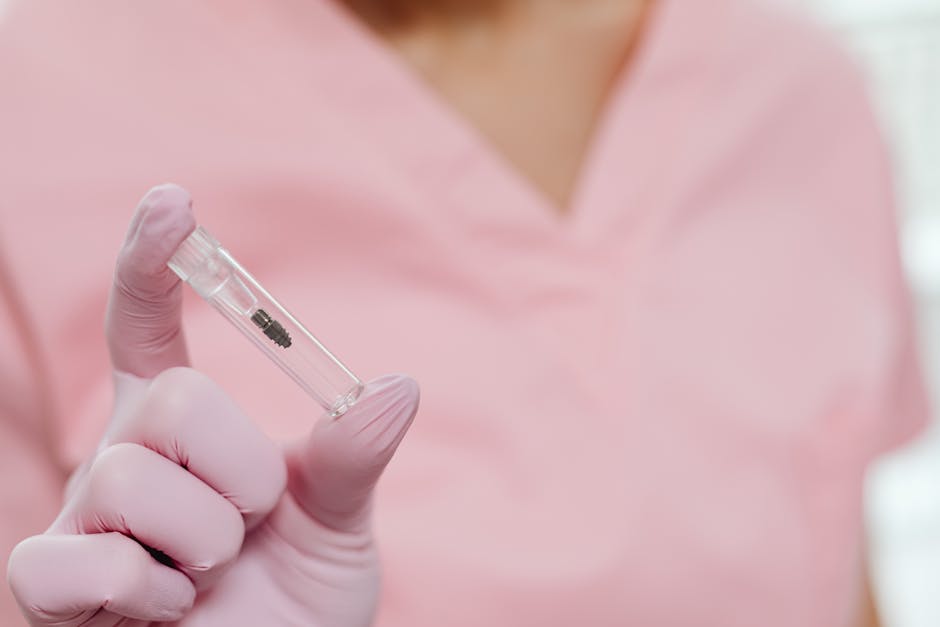
The Truth About Dental Implant Success Rates (Before You Read Any Further)
Dental implant success rates are consistently high across decades of research, making implants one of the most reliable tooth replacement options available today.
Here is a quick summary of what the research shows:
TimeframeImplant Survival RateShort-term (1-2 years)91% to 98%10 years96% to 98.9%15 years94% (implant level)20 years~78% to 92%38 to 40 years95.6%
A few things worth knowing right away:
- The implant itself (the titanium post in your bone) tends to last far longer than the crown on top.
- Crowns and prosthetics may need replacement over time, often for cosmetic reasons rather than failure.
- Most failures happen early, typically within the first year, and are often preventable.
- Location matters: implants in the lower jaw tend to do slightly better than those in the upper jaw.
So yes, the numbers are genuinely encouraging. But the details behind those numbers matter just as much as the headline figure.
If you have been thinking about dental implants and wondering whether they are truly worth it, you are asking the right question. At Champaign Dental Group, we have been helping families in Urbana and across Champaign County make confident, informed decisions about their smiles since 1997. We believe you deserve the full picture, not just the reassuring statistics.
This guide walks you through what the research actually says about implant durability, what factors influence your personal outcome, and what you can do to give your implant the best possible chance of lasting a lifetime.
Quick Dental implant success rates terms:
Understanding Dental implant success rates and Long-Term Durability
When we talk about how long a dental implant lasts, we are looking at two different things: survival and success. Survival simply means the implant is still in your mouth. Success means the implant is functional, healthy, and looking great without pain or bone loss.
Most research focuses on the 10 year mark, where Dental implant success rates usually hover between 96 percent and 98 percent. However, some of the most fascinating data comes from studies following patients for much longer. For instance, a landmark study followed a group of patients for 38 to 40 years. These patients, many of whom received their implants in the early 1980s, showed a cumulative survival rate of 95.6 percent. That is incredible when you consider that the technology used four decades ago was much simpler than what we use today at our Urbana office.
It is important to distinguish between the implant (the titanium screw) and the crown (the tooth part you see). While the implant has a 95 percent plus survival rate over 40 years, the crowns have a survival rate of about 60.9 percent over that same period. This makes sense—just like a natural tooth can chip or wear down over forty years, a porcelain crown might need a refresh, even if the "root" underneath is perfectly healthy.
For those interested in the deep science of long term outcomes, you can explore this Scientific research on 20-year implant survival which highlights how modern surfaces have made these results even more predictable.
Why Dental implant success rates Stay High for Decades
The reason implants are so successful comes down to a biological process called osseointegration. This is a fancy word for your jawbone literally fusing with the titanium post. Titanium is biocompatible, meaning your body doesn't see it as a foreign object. Instead, your bone cells grow right up against the ridges of the implant, locking it in place.
Once this bond is formed, the implant acts like a natural tooth root. This is vital for your bone health. According to bone physiology (often referred to as Wolff’s Law), your jawbone needs the "exercise" of chewing to stay strong. When you lose a tooth, the bone in that area starts to shrink because it isn't being used. Implants stop this bone loss, which is something dentures and bridges simply cannot do. You can find More info about dental implants and how they preserve your facial structure through the American Academy of Implant Dentistry.
Comparing Clinical Research to Real World Results
Sometimes there is a gap between what happens in a controlled university study and what happens in a neighborhood dental office. In a research study, patients are often hand picked and follow strict protocols. In the real world, life happens—people miss appointments, or their health changes.
However, even large scale real world data is very reassuring. A study of over 150,000 implants in a general population showed a survival rate of 97.79 percent. This suggests that with a skilled team and a committed patient, the high success rates seen in labs are very achievable in daily life.
At Champaign Dental Group, we focus on bridgeing that gap by providing More info about what to expect during your specific treatment, ensuring your expectations match the likely reality of your unique health profile.
Factors That Influence Your Smile Outcome
Every smile is different, and several "behind the scenes" factors determine how well an implant will do. Meticulous surgical planning is the first step. We use advanced 3D imaging (CBCT) to see your jaw in three dimensions before we ever begin. This allows us to place the implant exactly where the bone is strongest.
Patient selection is also key. We look at your overall health, any medications you are taking, and the density of your bone. If you have been missing a tooth for a long time and the bone has thinned out, we might recommend a bone graft to "bulk up" the site first. This extra step can significantly boost your long term success. You can read more about these variables in this Scientific research on implant risk factors.
Why Dental implant success rates Differ Between the Upper and Lower Jaw
One of the most interesting statistics in implant dentistry is that location matters. Generally, implants in the lower jaw (the mandible) have a slightly higher success rate than those in the upper jaw (the maxilla).
Jaw LocationTypical Success RateBone CharacteristicsLower Jaw (Mandible)97% to 98%Denser, stronger bone (like oak)Upper Jaw (Maxilla)94% to 96%Softer, more porous bone (like pine)
The lower jaw is made of very dense bone, which provides excellent "primary stability" (the initial grip the implant has). The upper jaw bone is naturally softer and is located near the sinus cavities. If there isn't enough height in the upper jaw, we may perform a sinus lift to create more room for the implant. While the success rates are still very high in the upper jaw, the softer bone sometimes requires a longer healing period—often six months or more—before we attach the final tooth.
How Lifestyle Habits Influence Dental implant success rates
Your habits play a massive role in whether your implant thrives. Smoking is perhaps the biggest risk factor we discuss with our patients. Nicotine constricts blood vessels, which slows down the healing process and can prevent the bone from fusing with the implant. Research shows that heavy smokers have a significantly higher risk of failure compared to non smokers.
Diabetes is another important factor. If your blood sugar is well controlled (usually an A1C under 7.5), implants are very successful. However, uncontrolled diabetes can hinder the immune system and make it harder for the body to fight off minor infections during the healing phase.
Finally, oral hygiene is non negotiable. While an implant cannot get a cavity, the gums around it can still get "gum disease," known as peri-implantitis. This inflammation can cause the bone around the implant to melt away. We provide More info about who can benefit from implants and how to care for them to ensure you are set up for success from day one.
Common Reasons for Early and Late Failure
It is rare, but implants can fail. We categorize these into early and late failures.
Early failures happen during the first few months, usually before the crown is even placed. This is often due to an infection (which is why we may prescribe a special rinse or antibiotics) or because the implant didn't achieve enough stability in the bone. Sometimes, "micro movements" during the healing phase can prevent the bone from locking onto the titanium.
Late failures happen years down the road. These are almost always caused by either peri-implantitis (infection from poor cleaning) or "occlusal trauma"—which is a fancy way of saying the implant is being hit too hard when you bite, perhaps due to teeth grinding.
Choosing an experienced dentist is the best way to minimize these risks. You can find More info about choosing a credentialed dentist to understand why training and board certification matter so much.
Preventing Early Failures Before They Happen
At Champaign Dental Group, we take several steps to prevent early failures. We use a "two stage" approach for many patients, allowing the implant to heal undisturbed under the gums for several months before we ask it to start chewing. This patience pays off in the long run.
Post operative care is also vital. We give our Urbana neighbors very specific instructions on what to eat (soft foods only for a while!) and how to keep the area clean without disturbing the surgical site. Following these steps reduces the risk of infection, which is the leading cause of early failure. You can learn more about More info about implant techniques used to ensure stability.
Managing Late Complications for Lasting Results
Once your implant is fully healed and your new tooth is in place, the work isn't quite done. You have to treat your implant just like a natural tooth. This means brushing, flossing, and visiting us for your regular cleanings. During your checkups, we use special tools to clean around the implant and take digital X-rays to ensure the bone levels remain stable.
If we catch a problem like peri-implantitis early, we can often treat it and save the implant. If you wait until the implant feels loose, it is often too late. Proactive monitoring is the secret to making an implant last twenty, thirty, or even forty years. Check out More info about dental implant resources for tips on long term maintenance.
Frequently Asked Questions about Implant Durability
Do dental implants last a lifetime?
While nothing in medicine can be guaranteed for 100 percent of people, dental implants are designed to be a permanent solution. If you are healthy, don't smoke, and maintain great oral hygiene, there is a very high probability your implant will last for the rest of your life. The crown on top may need to be replaced every 15 to 25 years due to normal wear and tear, but the titanium root stays put.
Does smoking cause dental implants to fail?
Smoking does not automatically mean an implant will fail, but it significantly increases the risk. It doubles or even triples the failure rate in some studies. We always encourage our patients in Champaign County to quit or at least cut back significantly before and during the healing phase to protect their investment.
How does bone grafting help success?
Bone grafting is like adding more soil to a garden before you plant a tree. If your jawbone is too thin or soft, the implant won't have enough "grip." By adding bone grafting material, we create a solid foundation. Research shows that implants placed in grafted bone have success rates nearly identical to those placed in natural bone, making it a very predictable and worthwhile step.
Conclusion
At Champaign Dental Group, we know that choosing a dental implant is a big decision. It is an investment in your health, your confidence, and your ability to enjoy a meal with your family at your favorite Urbana restaurant. Since 1997, our family has been dedicated to treating your family with the same compassion and honesty we would want for ourselves.
We don't believe in high volume, "in and out" dentistry. We believe in building relationships. Whether you are coming to us from Mechanicsburg, West Liberty, or right here in Urbana, we want you to feel like a neighbor, not a number. If you are worried about the cost of care, our Smile Protection Savings Plan is designed specifically for our uninsured friends to ensure that high quality implant dentistry is within reach.
If you are ready to find out if you are a candidate for a life changing smile, we would love to meet you. Our full service office handles everything from the initial 3D scan to the final restoration, often with sedation options to keep you completely comfortable.
Request an appointment with our family today and let's talk about how we can help you achieve a healthy, lasting smile.