.jpg)
Everything You Need to Know About Full Porcelain Ceramic Crowns
What Is a Crown All Porcelain? Your Quick Answer
A crown all porcelain is a tooth-shaped cap made entirely from dental ceramic material, designed to cover and protect a damaged or weakened tooth while blending naturally with your smile.
Here is a quick overview of what you need to know:
- What it is: A full-coverage dental restoration with no metal, made entirely from ceramic or porcelain material
- Best for: Front teeth, cosmetic improvements, patients with metal sensitivities, and teeth that need protection after a root canal
- How it looks: Matches the color and translucency of your natural teeth, with no dark lines at the gum line
- How long it lasts: Typically 10 to 15 years or more with good care, and some patients have kept theirs for much longer
- The process: Usually two dental visits, though same-day options exist with modern technology
Maybe you have a chipped tooth. Maybe your dentist mentioned you need a crown after a root canal. Or maybe you just want to feel confident about your smile again. Whatever brought you here, you are in the right place.
All-porcelain crowns have become one of the most popular choices in restorative and cosmetic dentistry, and for good reason. They look like real teeth. Unlike older metal-based options, they interact with light the same way natural enamel does, making them nearly impossible to tell apart from the teeth around them.
At Champaign Dental Group, we have been helping families in Urbana and across Champaign County restore and protect their smiles since 1997. We want you to feel informed and comfortable before you ever sit down in the chair.
This guide walks you through everything: what all-porcelain crowns are, how they work, who they are right for, and how to take care of them.
Crown all porcelain terms to learn:
What is a Crown All Porcelain and How Does It Work?
When we talk about a crown all porcelain, we are referring to a restoration that uses no metal whatsoever. In the past, many crowns were "porcelain-fused-to-metal" (PFM). These had a metal sub-structure for strength with a porcelain layer on top. While they worked well for years, they often left a dark, gray line at the gum line as the tissue receded.
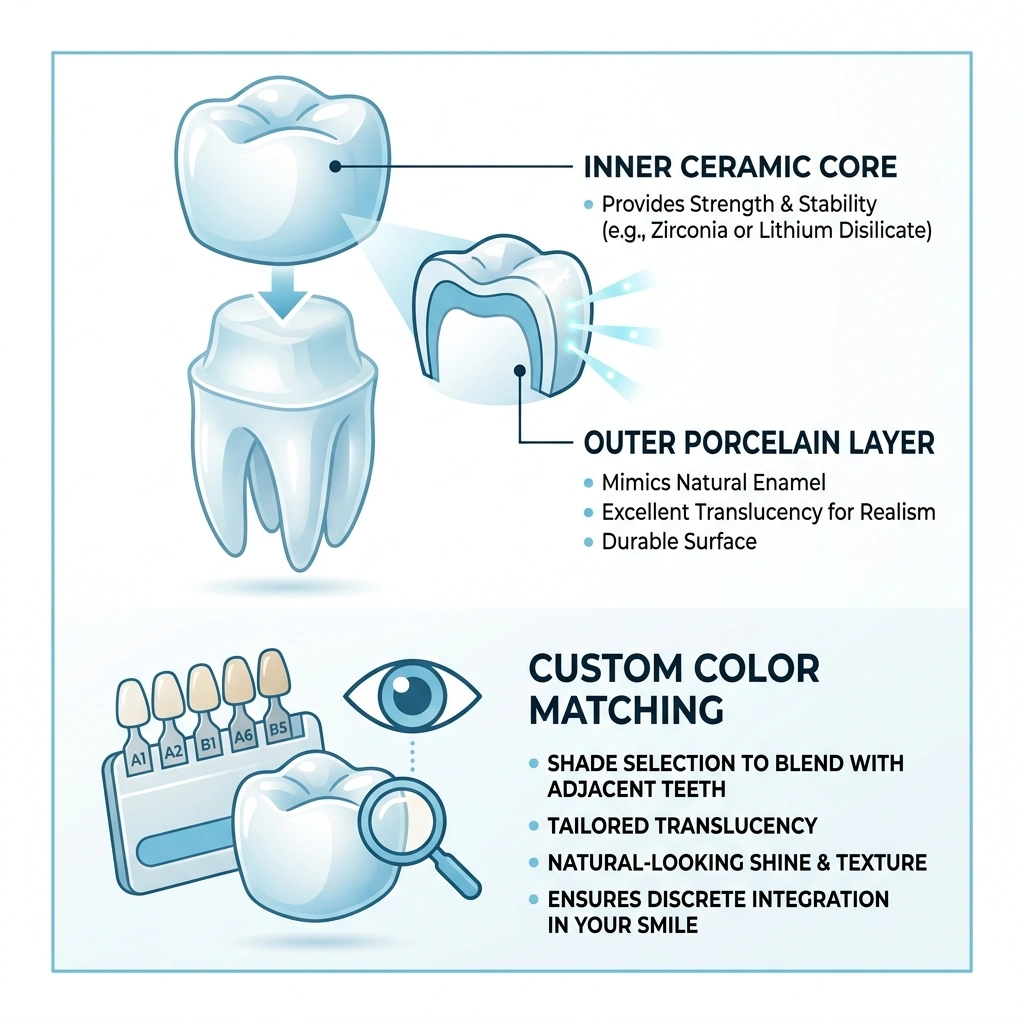
A modern all-porcelain crown is crafted from high-tech ceramic materials. These materials are non-metal, inorganic compounds that are processed at very high temperatures to become incredibly hard and durable. Because there is no metal "core," the crown can be made with varying levels of translucency. This allows light to pass through the crown just like it does through your natural tooth enamel.
These restorations are hollow on the inside, allowing them to fit snugly over a tooth that has been prepared or "reshaped" by your dentist. Once bonded in place, the crown becomes the new outer surface of your tooth, restoring its shape, size, and strength. For more detailed information, you can read this comprehensive overview of the benefits of all porcelain crowns-72).
If you are curious about how these fit into broader dental plans, you can find more info about crowns and bridges on our service page.
Comparing Materials for Your Smile
Not all porcelain is the same. Depending on where the tooth is located in your mouth and how much "bite force" it needs to handle, we might choose different types of ceramics:
- Zirconia: This is often called "ceramic steel." It is incredibly strong and resistant to fracturing. It is a fantastic choice for back teeth (molars) where you do a lot of heavy chewing.
- Lithium Disilicate (e.max): This material is prized for its beauty. It offers the best translucency and color matching, making it the gold standard for front teeth.
- Feldspathic Porcelain: This is a more traditional ceramic that is layered by a master ceramist to create a highly customized, artistic look.
All-porcelain crowns are known for their excellent aesthetics. They closely mimic natural enamel, allow light to pass through in a more tooth-like way, and contain no metal, which makes them a strong choice for patients with metal sensitivities.
Porcelain-fused-to-metal (PFM) crowns can also look good, but they are more opaque because of the metal base. In some cases, a dark line may appear near the gums over time. PFMs are very durable thanks to their metal support, but they often require more tooth reduction to make room for both the metal and porcelain layers.
The Difference Between a Crown and a Filling
A common question we hear in our Urbana office is, "Why can't I just get a filling?"
Think of a filling like a patch. It fills a hole left by decay. However, if a tooth has a very large cavity, a crack, or has undergone a root canal, a filling might not be enough to hold the tooth together. A crown all porcelain provides full coverage. It wraps around the entire tooth like a protective helmet, preventing the tooth from splitting or breaking under pressure.
You can explore more info about dental crown options to see which might be right for your specific situation.
The Beautiful Benefits of All-Ceramic Restorations
The move toward all-ceramic dentistry has been a game-changer for our patients in Champaign County. Beyond just looking good, these crowns offer several health advantages.
- Biocompatibility: Porcelain is very "friendly" to your body. Because it is metal-free, there is a much lower risk of allergic reactions or gum irritation. This is a huge plus for our neighbors with nickel or other metal sensitivities.
- Gum Health: The smooth surface of dental porcelain actually resists the buildup of plaque and bacteria better than some other materials. This can lead to healthier gum tissue around the restoration.
- No "Metal Mouth": Because there is no metal base, you will never see that tell-tale dark line near the gums. Even if your gums recede slightly over time, the restoration remains beautiful and natural-looking.
- Stain Resistance: High-quality dental porcelain is non-porous. This means it is highly resistant to staining from coffee, tea, or red wine.
- Temperature Comfort: Porcelain has low thermal conductivity. This means you are less likely to feel that sharp "zing" when eating ice cream or drinking hot coffee compared to metal crowns.
Restoring Front Teeth with a Crown All Porcelain
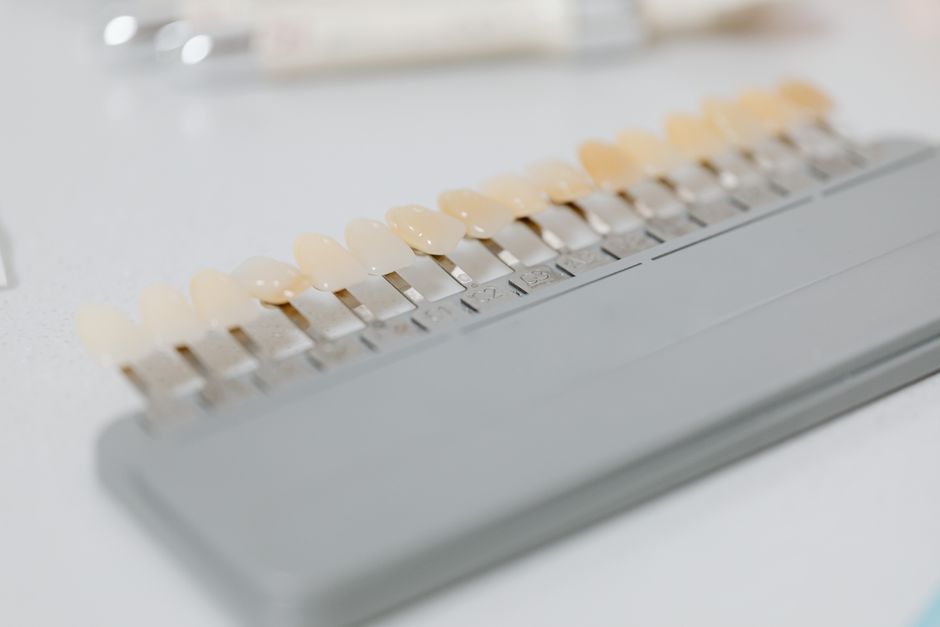
When it comes to your "smile zone" (the teeth people see when you laugh or talk), aesthetics are everything. A crown all porcelain is usually the best choice here because it can be customized to match the exact shade, hue, and even the tiny imperfections of your surrounding teeth. We want your crown to look so natural that even you forget which tooth it is!
Long-Term Durability and Strength
Don't let the word "porcelain" fool you into thinking these are fragile. Modern ceramics are engineered to be incredibly tough. In fact, some all-ceramic teeth are 5 to 6 times harder than real teeth. While they aren't indestructible, they are designed to withstand the daily forces of biting and chewing for a decade or more. You can read more about the scientific research on the benefits of all-porcelain crowns to see how far this technology has come.
When Your Dentist Might Recommend a New Crown
At Champaign Dental Group, we believe in conservative dentistry. We only recommend a crown when it is the best way to save your tooth and keep your smile healthy.
Common reasons for needing a crown all porcelain include:
- Advanced Decay: When a cavity is too large for a standard filling to support.
- Cracked or Chipped Teeth: To hold the tooth together and prevent further damage.
- Worn Down Teeth: Often caused by grinding (bruxism) or acid erosion.
- Large Gaps: To improve the alignment and spacing of your smile.
- Severe Discoloration: When professional whitening can't fix deep internal stains.
If you are curious about the preparation process, check out more info about dental crown prep.
Protecting Teeth After a Root Canal
After a root canal, a tooth can become brittle because it no longer has a live nerve and blood supply. To prevent the tooth from fracturing, we almost always recommend a crown. This restores the structural integrity and ensures you can chew comfortably again. For more on this, see more info about bridge and crown teeth.
Cosmetic Upgrades for Discolored Teeth
Sometimes a tooth is healthy but just doesn't look the way you want it to. A crown all porcelain can be a powerful tool for a smile transformation. Whether a tooth is naturally misshapen or has darkened over time, a crown provides a "fresh start" for that tooth's appearance.
If you are debating between different cosmetic options, you might find this guide helpful: more info about veneers vs crowns.
The Step-by-Step Process for Your New Smile
We know that dental procedures can feel a little intimidating, so we want to pull back the curtain on how this works. Usually, getting a new crown takes two appointments.
Your First Visit: Preparation and Planning
During your first visit to our Urbana office, we focus on getting the tooth ready.
- Comfort First: We use local anesthesia to ensure you don't feel a thing. For our neighbors who feel extra nervous, we also offer sedation dentistry to make the visit easy and relaxing.
- Reshaping the Tooth: We remove any decay and then carefully reshape the outer layer of the tooth. This creates space for the crown to fit over it without looking bulky.
- Impressions: We take a highly accurate impression (or a digital scan) of your prepared tooth. This serves as the blueprint for the dental lab.
- Temporary Crown: We will fit you with a temporary crown made of resin. This protects your tooth and keeps your smile looking great while your permanent crown all porcelain is being crafted.
We understand that budget is often a concern when planning dental work. While we don't list specific prices here, you can find more info about dental crown cost on our blog.
Your Second Visit: Fitting and Placement
About two weeks later, your permanent crown arrives from the lab.
- The Reveal: We remove the temporary and place the new porcelain crown on your tooth to check the fit, the color, and how it looks with your other teeth.
- Adjustments: We make sure your bite feels perfect. Even a tiny misalignment can cause discomfort, so we take our time here.
- Bonding: Once you and the dentist are both happy, we use a strong dental cement to permanently bond the crown to your tooth.
Caring for Your Investment and Ensuring Longevity
A crown all porcelain is an investment in your health and confidence. While the crown itself cannot get a cavity, the natural tooth underneath it still can.
To keep your crown in tip-top shape, follow these simple steps:
- Brush Twice Daily: Use a soft-bristled brush and fluoride toothpaste.
- Floss Every Day: This is crucial for removing plaque from the area where the crown meets the gum line.
- Regular Checkups: Visit us every six months for a professional cleaning and exam. We will check the edges of the crown to make sure everything is still sealed tight.
For a deeper dive into maintenance, read Exploring the Lifespan and Care of Dental Veneers and Crowns.
How Long Do Porcelain Crowns Last?
On average, you can expect your crown to last between 10 and 15 years. However, with excellent oral hygiene and regular visits to Champaign Dental Group, many crowns last 20 years or more. Some dentists have even seen porcelain crowns last up to 35 years!
You can find more info about dental cap care to help maximize that lifespan.
Habits to Avoid for a Healthy Crown
Porcelain is strong, but it can chip if put under extreme stress. To protect your smile:
- Stop Chewing Ice: Or pens, or fingernails.
- Don't Use Your Teeth as Tools: No opening packages or bottle caps with your teeth!
- Wear a Nightguard: If you grind your teeth at night, a custom nightguard is the best way to prevent your crown (and your natural teeth) from cracking.
Frequently Asked Questions About Full Porcelain Ceramic Crowns
Is getting a crown all porcelain painful?
Not at all. We use local anesthesia to numb the area during the preparation phase. Most patients tell us the process is no more uncomfortable than getting a standard filling. You might feel some mild sensitivity to hot or cold for a few days after the procedure, but this usually fades quickly.
Do porcelain crowns stain over time?
One of the best things about a crown all porcelain is its color stability. Unlike natural enamel, dental porcelain is non-porous and highly resistant to stains. However, keep in mind that the teeth around the crown can still stain. Regular cleanings help keep your entire smile looking uniform.
Does insurance cover the cost of porcelain crowns?
In many cases, yes. If the crown is "medically necessary" (meaning it is needed to fix a broken tooth or a large cavity), most insurance plans will cover a portion of it. If it is purely for cosmetic reasons, coverage might be different.
For our neighbors in Urbana and Mechanicsburg who don't have dental insurance, we offer the Smile Protection Savings Plan. This is our in-house plan designed to make quality dental care accessible and affordable for everyone in our community.
Conclusion
Restoring your smile shouldn't feel like a chore. Whether you are coming to us from Springfield, West Liberty, or right here in Urbana, our goal at Champaign Dental Group is to treat you like family. We have been a staple of the Champaign County community since 1997, and we take pride in building long-term relationships with our patients.
A crown all porcelain is more than just a dental "fix"—it is a way to regain your confidence and ensure your teeth stay healthy for years to come. If you think you might need a crown or just want to explore your options for a smile makeover, we would love to meet you.
Ready to take the next step? Request an appointment today or give us a call. We look forward to seeing you soon and helping you achieve a smile you truly love!
For more info about our crowns and bridges services, browse our website or stop by our office at 139 Patrick Ave, Urbana, Ohio 43078.