.jpg)
How Tooth Bonding Can Save Your Chipped Smile
A Chipped Tooth Doesn't Have to Stay That Way
Tooth bonding for chipped teeth is one of the fastest, most affordable ways to restore your smile after an unexpected chip or crack.
Here's what you need to know right away:
- What it is: A tooth-colored composite resin is applied directly to the damaged tooth, shaped to match, and hardened with a UV light.
- How long it takes: Usually 30 to 60 minutes per tooth, in a single visit.
- Does it hurt? Most patients need no anesthesia at all.
- How long it lasts: Typically 3 to 10 years with proper care.
- Best for: Small to moderate chips, surface cracks, and front teeth with minor damage.
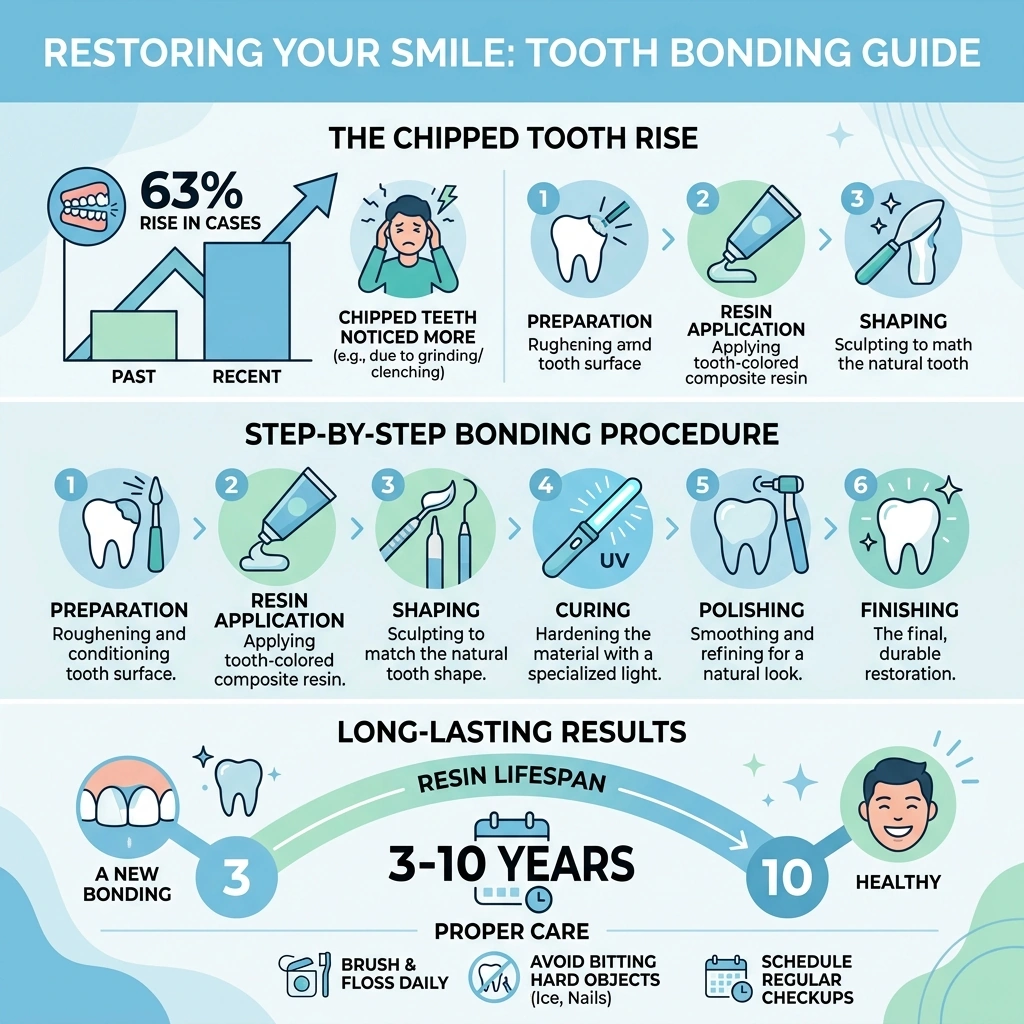
Chipped teeth are more common than most people realize. In fact, the American Dental Association found that 63% of dentists noticed more chipped teeth cases in 2021, largely tied to stress habits like grinding and clenching. If you've been hiding your smile because of a chip, you're far from alone.
The good news? At Champaign Dental Group, we've been helping families in Urbana and across Champaign County fix exactly these kinds of concerns since 1997. Dental bonding is one of the simplest, most rewarding procedures we offer, and most patients walk out the same day feeling like themselves again.
Read on to learn exactly how the procedure works, whether it's right for your situation, and how to make your results last.
Understanding Tooth Bonding for Chipped Teeth
When we talk about tooth bonding for chipped teeth, we are talking about a process that uses a special material called composite resin. This is a durable, tooth-colored plastic mixture that we can mold and sculpt just like clay. It is the same safe material used in about 72% of modern dental restorations, including tooth-colored fillings.
What makes bonding so special is that it is a conservative treatment. In the dental world, "conservative" means we get to keep as much of your natural tooth as possible. Unlike crowns or veneers, which often require us to remove a layer of your healthy enamel, bonding sits right on top of the tooth. It is a gentle way to hit the reset button on a dental mishap.
According to ADA research on chipped teeth, dentists are seeing these types of injuries more frequently. Whether it happened during a local high school football game in Mechanicsburg or simply by biting down on a stray popcorn kernel while watching a movie at home, a chip can feel like a major blow to your confidence. Thankfully, more info about bonding services shows that this procedure is designed specifically to handle these minor to moderate repairs quickly and effectively.
How tooth bonding for chipped teeth works
The "bonding" part of the name refers to the way the material interacts with your tooth. We use special adhesive properties to ensure the resin sticks firmly to your enamel. Because the material starts out soft, we can shape it to perfectly mimic the part of the tooth that broke off.
One of the biggest benefits we see here at our Urbana office is how well the resin mimics natural enamel. It reflects light in a similar way and can be polished to a high shine. This means that once the work is done, it is almost impossible for anyone to tell where your natural tooth ends and the bonding begins. If you are curious about the technical side of the process, you can read more about Bonding a Tooth to see how we restore both the look and the function of your smile.
Who is a candidate for this procedure?
Not every chipped tooth is a perfect match for bonding, but many are. We typically recommend tooth bonding for chipped teeth when the damage is relatively minor. This includes:
- Small chips on the biting edges of your front teeth.
- Craze lines, which are tiny surface cracks that do not go deep into the tooth.
- Minor gaps or spaces that you would like to close.
- Teeth that have worn down over time due to grinding.
For bonding to be successful, you need to have a healthy amount of natural enamel for the resin to grab onto. If a tooth is severely broken or if the crack goes deep into the root, we might suggest a crown to provide more structural support. However, for most cosmetic blemishes, Direct Composite Bonding is an excellent, minimally invasive choice.
Your Step-by-Step Guide to the Procedure
We know that sitting in a dental chair can make some folks a little nervous. That is why we focus on making our office a compassionate environment where you always know what to expect. The bonding process is straightforward and usually takes less than an hour.
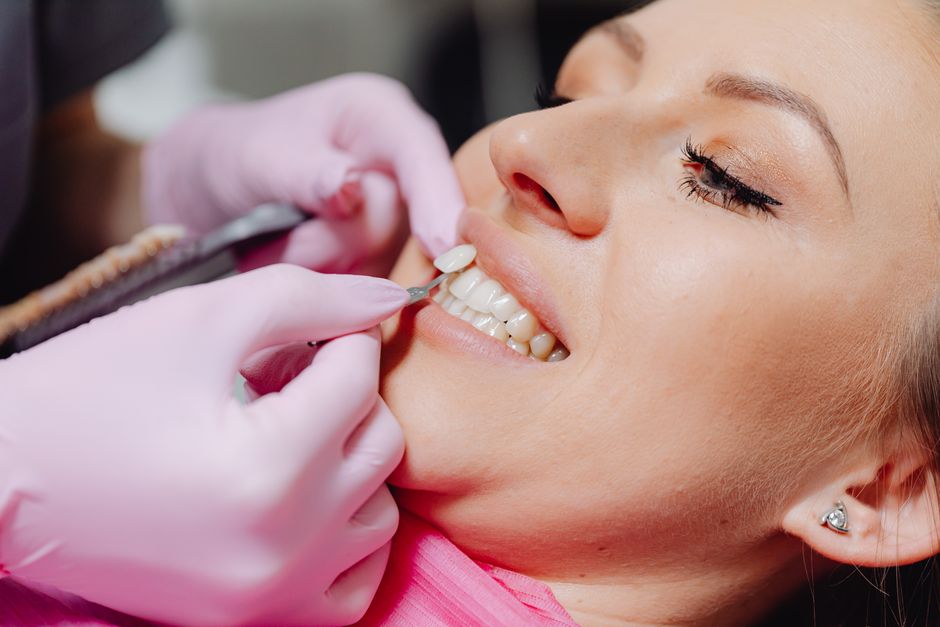
- Shade Selection: We start by using a shade guide to find the exact color of composite resin that matches your surrounding teeth. We want the repair to be invisible.
- Surface Roughening: We lightly roughen the surface of the tooth. Do not worry, this does not hurt. It just creates a little bit of texture so the bonding material has something to hold onto.
- Conditioning Liquid: We apply a gentle conditioning liquid that helps the resin adhere to the tooth.
- Resin Application: This is where the artistry happens. We apply the tooth-colored resin in layers, molding and smoothing it until it looks just like your natural tooth.
- Hardening the Material: Once we are happy with the shape, we use a special blue curing light (often called a UV light) to harden the resin instantly.
- Final Polishing: After the material is hard, we give it a final trim and polish it until it matches the sheen of your other teeth.
The result is a tooth that looks whole again. For a closer look at what this looks like in practice, our Direct Bonding Teeth Before & After Guide provides a great overview of the transformation.
Why Choose Bonding for Your Smile?
There are several reasons why our neighbors in Urbana and Springfield choose bonding over other options. First and foremost is the convenience. Most of the time, we can fix your tooth in a single visit. There is no need to wait weeks for a dental lab to send back a permanent restoration.
Another major plus is that it is very gentle. Because we are not removing significant amounts of enamel, most patients find the procedure completely painless. In fact, anesthesia is usually not required unless we are also filling a small cavity at the same time. This makes it a great option for children or for adults who have a bit of dental anxiety.
According to the Cleveland Clinic on dental bonding, it is one of the most cost-effective cosmetic treatments available. If you want to see how it stacks up visually, you can check out Teeth Bonding Before and After to see the immediate impact it has on a person's smile.
Limitations of tooth bonding for chipped teeth
While we love bonding, we also want to be honest about its limitations. It is important to remember that composite resin is a type of plastic, which means it is not quite as strong as your natural enamel or a porcelain veneer.
There are a few things to keep in mind:
- Staining Risks: Unlike porcelain, bonding material can pick up stains over time from things like coffee, tea, or red wine.
- Durability: Bonding can chip if you bite down on very hard objects like ice, pens, or fingernails.
- Biting Pressure: Because it is not as strong as a crown, it is usually better for front teeth rather than the back molars that do all the heavy lifting when you chew.
When deciding between options, it helps to look at a Teeth Bonding vs Veneers comparison to see which fits your lifestyle and goals best.
Let's compare your options to see what makes the most sense for your smile:
Dental Bonding is perfect for minor chips and gaps. It is completed in just one visit with little to no enamel removal and usually no anesthesia. It lasts 3 to 10 years but has low to moderate stain resistance.
Porcelain Veneers work best for major cosmetic changes. They require two or more visits, moderate enamel removal, and often anesthesia. They offer very high stain resistance and last 10 to 20 years.
Dental Crowns are designed for structural repair. They take two or more visits, require significant enamel removal, and need anesthesia. They provide very high stain resistance and last 15+ years.
Making Your Bonding Last
Once your smile is restored, you will want to keep it looking great for as long as possible. On average, tooth bonding for chipped teeth lasts between 3 and 10 years. The wide range is because so much depends on your daily habits.
To maximize the life of your bonding, we recommend a few simple steps:
- Keep it Clean: Brush twice a day and floss daily. This prevents plaque from building up around the edges of the bonding, which could lead to decay.
- Watch Your Diet: Try to limit staining foods and drinks, especially in the first 48 hours after the procedure when the resin is most porous.
- Break Bad Habits: If you are a nail-biter or a pen-chewer, now is a great time to stop. These habits are the number one cause of bonded teeth chipping.
- Wear a Guard: If you grind your teeth at night (bruxism), a custom nightguard can protect your bonding from the intense pressure.
By following these tips and visiting us for your regular check-ups, you can ensure your Composite Bonding Teeth stay bright and strong for years to come.
Signs your bonding needs repair
Nothing lasts forever, and eventually, your bonding may need a "tune-up" or a replacement. You should give us a call if you notice:
- Rough Edges: If you feel a sharp or rough spot with your tongue, the resin may have worn down or slightly chipped.
- Visible Stains: If the bonding no longer matches the color of your tooth due to staining.
- Loose Material: If the bonding feels like it is moving or if it catches when you floss.
Regular visits allow us to monitor the Bonding and make small repairs before they become bigger issues.
Frequently Asked Questions
Is dental bonding painful?
This is one of the most common questions we get at Champaign Dental Group! The short answer is no. Because the process involves adding material to the outside of your tooth rather than working deep inside it, most people find it very comfortable. We rarely even need to use numbing agents. You can learn more about the Cleveland Clinic treatment details to see why this is considered a "no-downtime" procedure.
How much does tooth bonding cost?
The cost of bonding varies depending on how many teeth are being treated and the complexity of the chip. Generally, it is the most affordable cosmetic option. Many insurance plans will cover a portion of the cost if the bonding is being done to repair a tooth damaged by an accident or decay. For our neighbors without insurance, we offer a Smile Protection Savings Plan to help make this and other treatments more accessible. You can read more about Dental Bonding Cost and Does Insurance Cover Bonding on our website.
Can bonding fix large cracks?
Bonding is wonderful for surface-level issues, but it has its limits. If a crack is deep enough to affect the structure of the tooth or if it reaches the root, bonding might not be enough to save the tooth. In those cases, we might look at root canal therapy or a protective crown. The AAE on types of fractures explains that a prompt diagnosis is key to saving a cracked tooth, so do not wait to have it looked at.
Conclusion
At Champaign Dental Group, we believe that everyone in our Urbana community deserves to feel proud of their smile. Since 1997, we have treated our patients like members of our own family, providing a warm and compassionate environment for everything from routine cleanings to oral surgery and sedation dentistry.
If a chipped tooth is holding you back, tooth bonding for chipped teeth might be the simple, effective solution you have been looking for. Whether you live right here in Urbana or are coming to see us from Tremont City, West Liberty, or Mechanicsburg, we are here to help you get your smile back on track.
Ready to see if bonding is right for you? Request an appointment today or stop by our office at 139 Patrick Ave, Urbana, Ohio 43078. We look forward to seeing you soon!