
Understanding What Shapes Your Dental Capping Price

What Shapes Your Dental Capping Price?
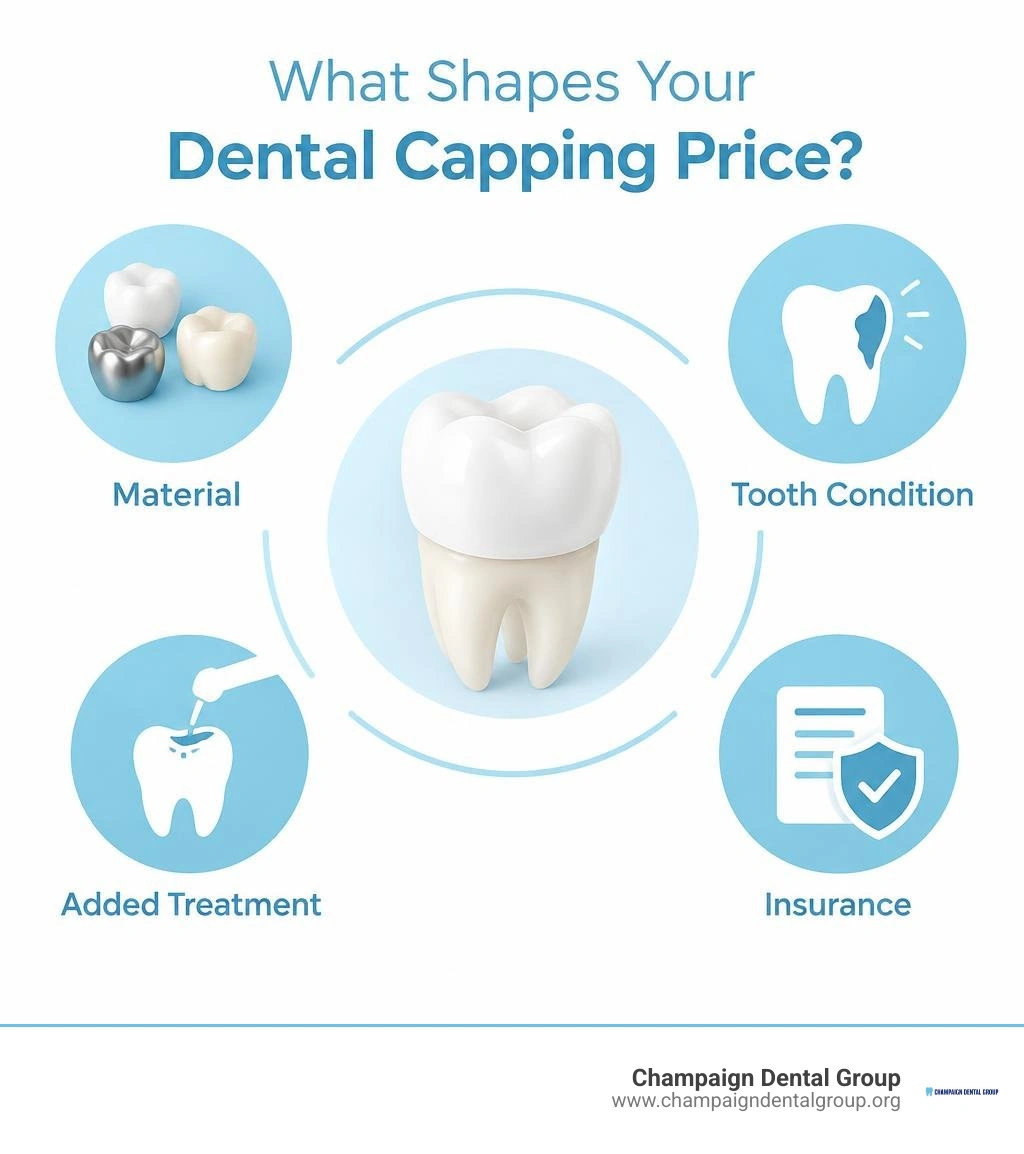
Your dental capping price depends on the crown material, the condition of your tooth, any work needed before the crown is placed, and your insurance benefits. A dental cap and a dental crown are the same thing. To understand what you may pay, ask for a written estimate that lists the crown, any added treatment, and your expected insurance coverage.
If cost or dental visits make you uneasy, you can talk through your options before deciding. I’m Dr. Ellen Zwick, and I’ll walk you through the choices and questions that can help you plan.
Essential dental capping price terms:
Tooth Cap Basics: Are Caps and Crowns the Same?
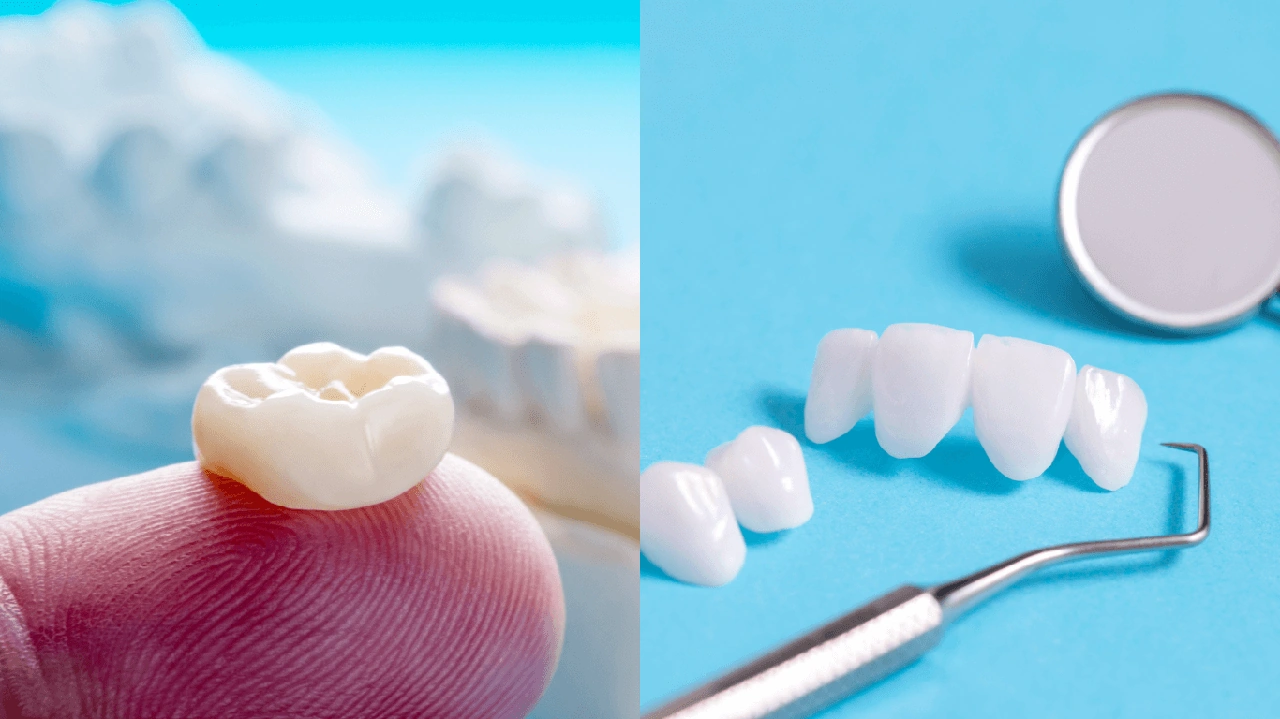
Patients often ask us about the difference between a cap and a crown. In modern dentistry, these terms describe the exact same restoration. While "cap" is a traditional term describing how the restoration fits over a natural tooth, "crown" is the clinical term used by dental professionals. Both refer to a custom cover designed to restore the natural shape, strength, and function of a damaged tooth.
When a tooth experiences deep decay, large fractures, or weakness following major treatment, a crown acts like a custom protective helmet. It surrounds the remaining structure above the gumline, shielding it from chewing pressure and preventing further damage. Our practice provides dedicated crowns and bridges services to help preserve your natural teeth for years to come. Exploring resources like Dental crown costs and insurance: What you need to know can help you understand how these restorations protect long-term oral health.
Factors That Determine Your Dental Capping Price
Every smile is unique, which means the overall investment for a crown varies from person to person. When evaluating treatment recommendations, several clinical and practical factors influence your total care plan.
The current state of your natural tooth structure is a primary factor. A tooth that simply needs protection after moderate decay requires less time and preparation than a tooth fractured below the gumline. Your overall oral health, the specific techniques required for your care, and the materials selected all play important roles in shaping your estimate.
Materials That Impact Dental Capping Price
Dental crowns can be crafted from several proven materials, each offering distinct benefits in durability, appearance, and clinical performance:
- Zirconia: Known for exceptional strength, zirconia is a modern ceramic that withstands heavy biting pressure while closely mimicking the natural shade of real enamel.
- Porcelain and Ceramic: These restorations provide beautiful aesthetics and lifelike translucency, making them popular choices for highly visible front teeth.
- Porcelain-Fused-to-Metal (PFM): Combining a durable metal substructure with an outer layer of tooth-colored porcelain, PFM crowns balance functional strength with a natural look.
- Full Metal Alloys: Highly noble metals, including gold alloys, offer outstanding durability and gentle wear against opposing teeth. If you are exploring this classic option, learning about the cost of a gold crown tooth can help you decide if metal restorations fit your personal goals.
- Temporary Resins: Used as a protective interim step while a custom laboratory fabricates your permanent crown.
How Preparatory Procedures Affect Dental Capping Price
Before a crown is placed, your dentist must ensure that the underlying tooth structure is clean, healthy, and stable. If a tooth has lost significant structure due to deep decay or trauma, additional supportive treatments may be necessary.
- Core Buildup: Rebuilding missing tooth volume using strong restorative materials so the crown has a solid base to grip.
- Post and Core: If extensive structure is missing after previous endodontic care, a small post is placed inside the root canal to anchor the core material securely.
- Crown Lengthening: A gentle procedure that adjusts the gumline to expose sound tooth structure when a break occurs deep near the gums.
- Root Canal Therapy: Cleaning and sealing an infected pulp chamber prior to capping the tooth.
These foundational steps fall under restorative dentistry, ensuring your new crown rests on a sturdy, infection-free foundation.
Tooth Location and Laboratory Customization
The position of the tooth in your mouth directly impacts both the material selection and the laboratory work involved. Front teeth require precise color matching, custom characterization, and lifelike translucency so the restoration blends naturally with your surrounding smile. Back molars, by contrast, must withstand substantial daily grinding and chewing forces, placing a premium on fracture resistance and structural integrity.
Custom dental laboratories handcraft permanent crowns using digital impressions and shade guides. The skill of the dental lab technician and the degree of custom staining required to match your natural smile are reflected in the total value of your care.
Dental Capping Compared to Other Restorative Options
When deciding on treatment, it helps to understand how a dental crown compares to alternative restorative treatments:
- Dental Fillings: Best suited for minor to moderate decay where the majority of natural tooth structure remains intact. While fillings are simpler, placing an oversized filling in a severely broken tooth increases the risk of structural fracture.
- Dental Onlays (Partial Crowns): An onlay covers one or more chewing cusps when a tooth is too damaged for a simple filling but still has substantial healthy enamel, preserving more natural structure than a full crown.
- Cosmetic Veneers: Thin porcelain shells placed solely on the front surface of teeth to correct color, minor chips, or mild alignment issues, whereas crowns cover the entire tooth structure.
Reviewing educational guides like Costs of Common Dental Procedures | Humana and Dental Crown Cost: Average Price, Insurance, and More - GoodRx can help you see how these restorative options compare across common dental plans.
Insurance, Financing, and Ways to Manage Treatment Expenses
Understanding your payment options and dental benefits helps ensure you receive the care you need without unwanted stress. Most dental insurance plans classify medically necessary crowns as major restorative care, covering a percentage of the approved fee schedule after your annual deductible has been met.
Keep these practical points in mind when planning your treatment:
- Annual Maximums: Many insurance plans place an annual cap on covered benefits. If you need multiple crowns, your dental team can help you phase treatment across benefit years when clinically appropriate.
- Flexible Spending Accounts (FSA) and Health Savings Accounts (HSA): You can use pre-tax healthcare dollars to pay for out-of-pocket restorative expenses, reducing your overall tax burden.
- In-House Membership Plans: For patients without traditional dental insurance, our practice offers the Smile Protection Savings Plan. This membership provides predictable savings on preventative and restorative treatments, making quality care accessible. You can read more about evaluating a tooth cap cost with savings plan to see how in-house memberships help keep care manageable.
- Healthcare Financing: Flexible payment arrangements allow you to divide treatment totals into comfortable monthly installments.
Frequently Asked Questions About Dental Capping
How long does a dental cap typically last?
A custom dental crown can last ten to fifteen years or longer when cared for properly. Longevity depends on material selection, biting habits, and personal oral hygiene. Brushing twice a day, flossing around the crown margins daily, wearing a nightguard if you clench or grind, and keeping up with routine professional cleanings will help protect your investment for the long term.
Does dental insurance cover the cost of a tooth cap?
Most dental insurance policies provide partial coverage for crowns when they are deemed medically necessary to restore tooth function, protect a cracked tooth, or seal a tooth following a root canal. Cosmetic crowns placed solely to improve appearance are typically not covered. We always recommend submitting a pre-treatment estimate to your carrier so you have clear details on deductibles, co-insurance percentages, and remaining annual maximums.
What questions should I ask my dentist before getting a cap?
Before starting your restorative treatment, consider asking these helpful questions:
- What specific material do you recommend for this tooth, and why?
- Will the tooth require a core buildup or other supportive treatments first?
- Can I receive a written, itemized estimate showing both clinical fees and expected insurance benefits?
- What comfort options, such as gentle local anesthesia or sedation dentistry, are available during the appointment?
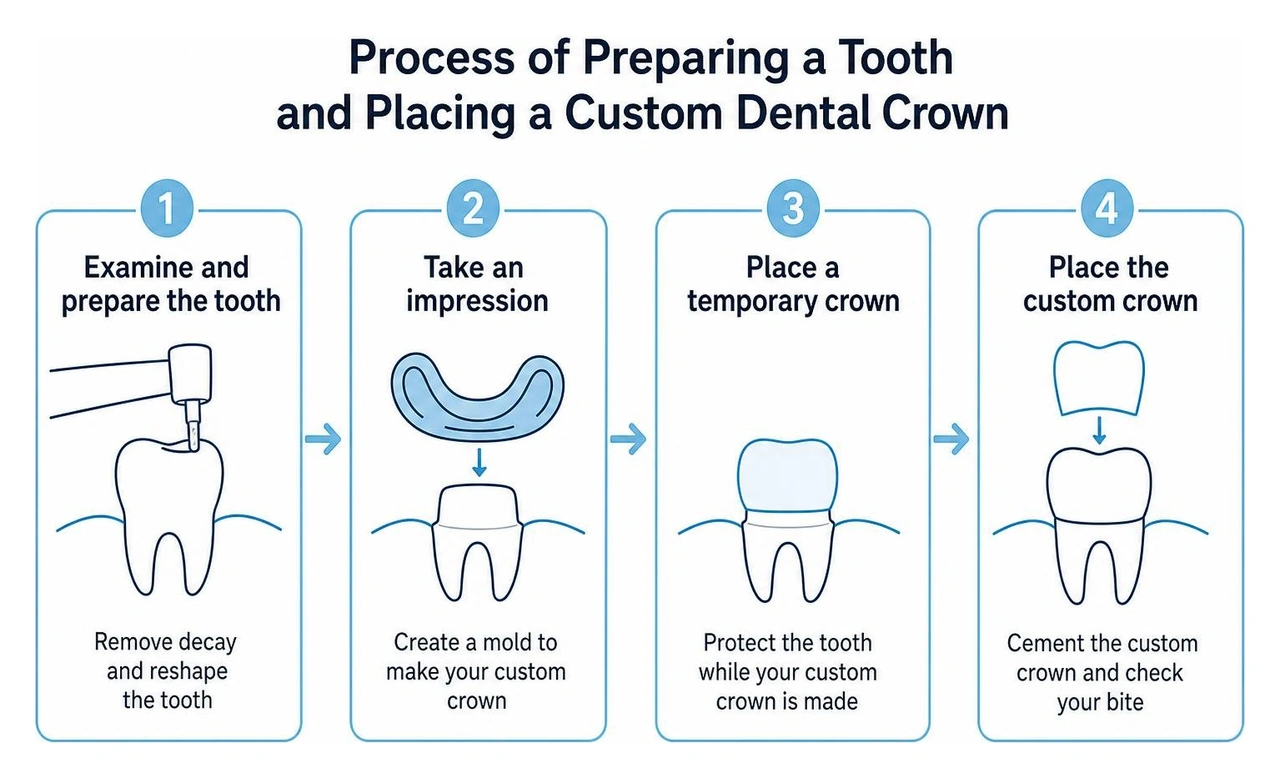
- What is the expected timeline from initial preparation to final cementation?
Conclusion
Restoring a damaged tooth protects your comfort, chewing ability, and confidence for years to come. At Champaign Dental Group, our family-focused practice has proudly served our neighbors across Urbana, Mechanicsburg, Tremont City, West Liberty, Springfield, and all of Champaign County since 1997. We believe in building lasting relationships through gentle, personalized care in a welcoming and supportive environment.
Whether you need a consultation for a cracked tooth, want to discuss our Smile Protection Savings Plan, or feel nervous about dental visits and wish to explore our comfortable sedation dentistry options, our caring team is here to guide you every step of the way. Request an appointment online or call our office at 139 Patrick Ave in Urbana to get a clear, personalized treatment plan for your smile. Thank you for trusting us with your dental health!