.jpg)
Bonding with Your Dentist for a Better Smile

What is Dental Bonding?
What is dental bonding? It is a simple way to improve your smile where a tooth-colored material is applied to a tooth, shaped, hardened with a special light, and polished to blend naturally with your smile. It is one of the easiest and most affordable ways to fix minor tooth imperfections, and we can usually do it in just one visit.
Here is a quick summary of what dental bonding involves:
- What it is: A tooth-colored resin applied directly to your tooth
- What it fixes: Chips, cracks, gaps, discoloration, and misshapen teeth
- How long it takes: 30 to 60 minutes per tooth
- How long it lasts: Typically 3 to 10 years with proper care
- Does it hurt? Most people need no anesthesia at all
- Is it reversible? Yes, unlike veneers or crowns
Accidents happen. You bite into something hard, take an elbow during a pickup game, or notice a chip in your tooth you cannot quite explain. Whatever the cause, small dental imperfections can really affect how confident you feel about your smile.
The good news is that dental bonding is one of the fastest and least invasive ways to get that smile back. There is no drilling, no lab wait, and no major commitment. For many patients here in Urbana and across Champaign County, it is exactly the kind of simple, affordable fix they did not know was available to them.
At Champaign Dental Group, we have been helping families in our community feel good about their smiles since 1997. Whether you are coming in with a chipped front tooth or just want to close a small gap, we want you to feel informed, comfortable, and genuinely cared for every step of the way.
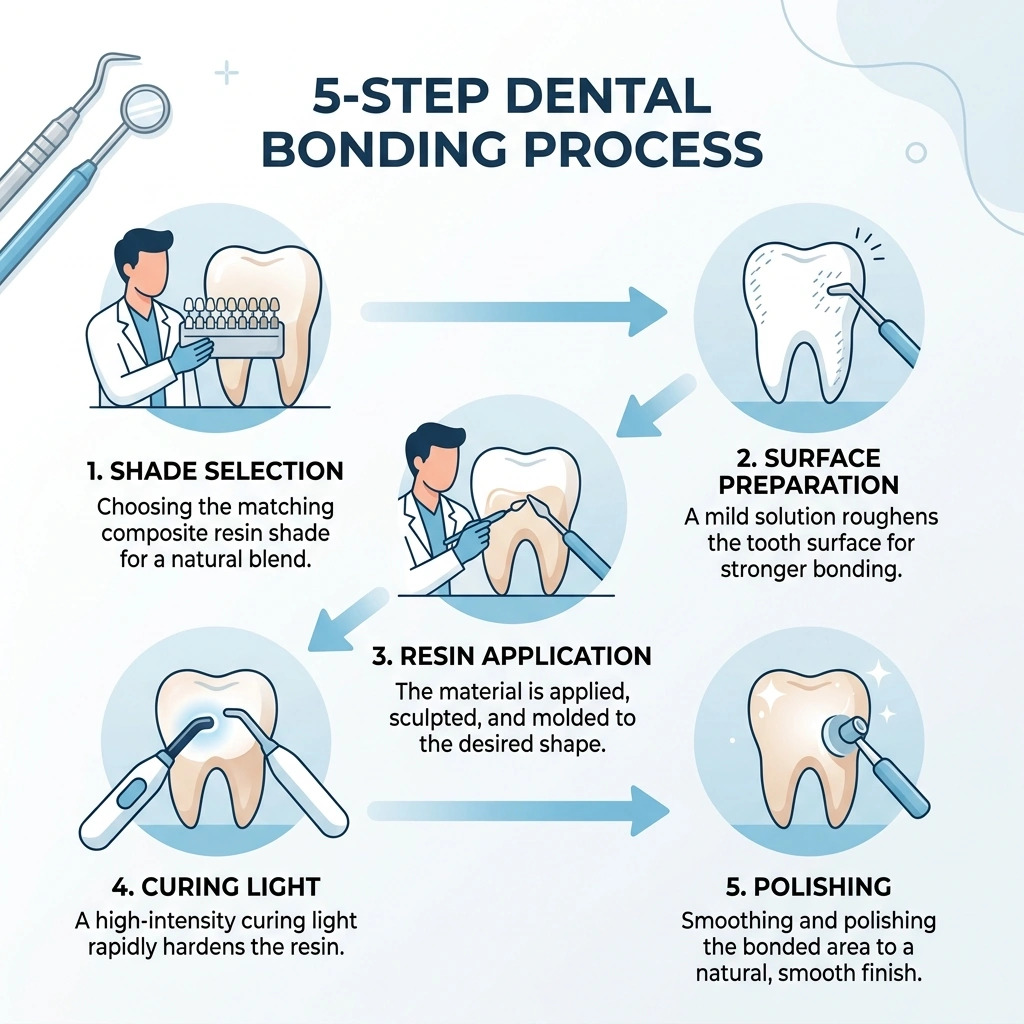
When people ask us What is dental bonding, we like to describe it as a bit like sculpting for your teeth. It is part of Adhesive Dentistry, which is just a way of bonding tooth-colored materials directly to your natural teeth.
The material we use is called composite resin. This is a durable, BPA-free material that we can color-match to your other teeth. Because the resin is soft when we first apply it, we can mold and smooth it into the perfect shape before it is hardened. This makes it a great part of restorative dentistry because it helps a tooth that might be slightly damaged look and work like new again.
One of the biggest benefits of this approach is that it protects your natural tooth. Unlike crowns or veneers, which often require us to remove a significant portion of your healthy tooth, bonding requires very little preparation. We only need to gently prepare the surface so the material can stick. This keeps your natural tooth strong and intact.
What is dental bonding used for?
Dental bonding is a versatile tool in our kit. We often use it to address:
- Chipped or cracked teeth: Whether it was a sports injury or a piece of hard candy, we can fill in the missing piece of your tooth.
- Closing gaps: If you have small spaces between your teeth that bother you, teeth bonding for gaps is a quick way to create a more uniform look without braces.
- Tooth discoloration: Sometimes a single tooth is stained in a way that whitening treatments cannot fix. We can "mask" that stain with a thin layer of resin.
- Misshapen or short teeth: We can use resin to lengthen a tooth that is shorter than its neighbors or change the overall contour of a tooth.
- Protecting exposed roots: If your gums have receded, your tooth roots might be exposed and sensitive. Bonding material can cover these roots to reduce pain and protect the area from decay.
Common questions about what is dental bonding
Many of our neighbors in Urbana and Mechanicsburg wonder if this is a permanent commitment. One of the most unique aspects of What is dental bonding is its reversibility. Because we do not shave down your natural enamel to apply the resin, the procedure is often reversible. If you decide later that you want a different treatment, your natural tooth is still there underneath.
It is specifically designed for minor imperfections. For major structural damage, we might suggest a crown, but for those little blemishes that keep you from smiling in photos, direct composite bonding is an excellent smile enhancement. It is a conservative, "less is more" approach to cosmetic dentistry that yields beautiful, natural-looking results.
The Dental Bonding Procedure: Step-by-Step
If you are a bit nervous about dental visits, you will be happy to know that bonding is one of the most relaxed procedures we offer. Here is exactly what happens when you sit in the chair at Champaign Dental Group.
- Shade Selection: First, we use a shade guide to find the composite resin color that matches your natural teeth perfectly. We want the fix to be invisible to anyone but you and your dentist.
- Surface Preparation: We do not need to drill the tooth in the traditional sense. Instead, we use a gentle liquid to help the surface of the tooth. This helps the bonding material grip the tooth so it stays in place.
- Adhesive Application: We apply a high-quality bonding material. Research into adhesive longevity shows that using the right materials is key to making sure your fix stays put for years to come.
- Resin Application: This is where the artistry happens. We apply the putty-like resin to the tooth and carefully shape and mold it to look like a natural part of your smile.
- Curing: Once the shape is just right, we use a special blue light. This light hardens the material in seconds, bonding it to your tooth.
- Finishing Touches: After the material is hard, we trim and further shape it. Finally, we polish the resin so it has the same natural sheen as your other teeth. We will also check your bite to make sure everything feels comfortable when you chew.
How long does dental bonding take?
One of the reasons our patients love this procedure is the convenience. In most cases, we can finish bonding a tooth in just 30 to 60 minutes.
Because the procedure is so straightforward, we can usually complete it in a single visit. You walk in with a chip or a gap and walk out with a refreshed smile. There is no waiting for a dental lab to send back a porcelain piece, which means you get immediate results. If you have several teeth that need attention, we might schedule a slightly longer appointment or break it into two visits, but the "per tooth" time remains very efficient.
Benefits and Considerations of Composite Bonding
When deciding if this is the right path for you, it helps to see how it stacks up against other options like veneers or crowns.
Dental bonding is usually completed in 1 visit and takes about 30 to 60 minutes per tooth. Porcelain veneers and dental crowns typically require 2 or more visits.
Dental bonding removes minimal to no enamel. Veneers require moderate enamel removal, while crowns require significant reshaping of the tooth.
Anesthesia is usually not needed for dental bonding. It is often required for veneers and required for crowns.
Dental bonding may be reversible in some cases. Veneers and crowns are not reversible.
Bonding has low to moderate stain resistance. Veneers and crowns are more stain-resistant.
Dental bonding typically lasts 3 to 10 years. Veneers often last 10 to 20 years, and crowns can last 15 years or more.
As you can see, bonding is incredibly cost-effective and minimally invasive. It is often the preferred choice for younger patients or those who want to avoid the "permanent" nature of veneers. Using composite bonding teeth techniques allows us to provide a beautiful look without a high cost or the need for numbing shots.
However, there are a few things to keep in mind. The resin material is very durable, but it is not quite as strong as your natural tooth or porcelain. It can chip if you are not careful, and it can pick up stains from coffee, tea, or red wine over time. While it is a fantastic solution, it does require a bit of mindful care to keep it looking its best.
Maintaining Your Bonded Teeth for Longevity
Once your bonding is complete, we want it to last as long as possible. On average, you can expect your bonding to stay in great shape for 3 to 10 years. The "lifespan" really depends on your personal habits and where the bonding is located in your mouth.
To get the most out of your investment, follow these simple tips:
- Practice Great Oral Hygiene: Brush twice a day and floss daily. When flossing around a bonded tooth, try to slide the floss out rather than pulling it up, which can occasionally snag the edge of the resin.
- Watch Your Diet: For the first 48 hours after your procedure, try to avoid "staining" foods and drinks like blueberries, coffee, or dark sodas. The resin is most porous right after it is applied.
- Avoid Hard Habits: Do not use your teeth as tools! Avoid biting your fingernails, chewing on pens, or crunching on ice or hard candy. These habits are the most common reasons why bonding chips.
- Wear Protection: If you play sports in the Tremont City or Springfield area, or if you grind your teeth at night, let us know. A simple mouthguard or nightguard can protect your bonding from unnecessary pressure.
We love seeing teeth bonding before and after photos because the transformation is so immediate. To keep that transformation looking fresh, make sure to visit us for your regular six-month checkups. During these visits, we can polish the bonding to remove surface stains and check for any minor chips that might need a quick "touch-up."
If you ever notice a sharp edge or if your bite feels "off" after your appointment, give us a call! We are always happy to make small adjustments to ensure you are 100% happy with your results.
Frequently Asked Questions
Does dental bonding hurt?
This is the question we hear most! The short answer is: No, it typically does not hurt at all. Because we are only working on the surface of the enamel where there are no nerves, most patients do not even need a local anesthetic.
If we are using the resin to fill a cavity or if the bonding is being placed very close to a sensitive nerve, we might use a little numbing agent just to be safe. For our neighbors who struggle with dental anxiety, we also offer sedation options to make sure you feel completely at ease. You can read more about what to expect in our direct bonding teeth before after guide.
What is the cost of dental bonding?
We understand that budget is a big factor for families in West Liberty and Urbana. Bonding is widely considered the most affordable cosmetic dental treatment. While we cannot provide exact quotes here, you can find general information on our bonding teeth price page.
If you are concerned about the cost of dental bonding without insurance, we have a solution. Our Smile Protection Savings Plan was designed specifically for our uninsured patients. It provides a way to access affordable, high-quality care without the stress of traditional insurance hurdles. We believe everyone in Champaign County deserves a smile they love, regardless of their insurance status.
Is dental bonding covered by insurance?
Whether or not your insurance helps with the cost usually depends on why you are getting it done.
- Restorative: If we are using bonding to fill a cavity or repair a tooth that was damaged in an accident, insurance often covers a portion of the cost.
- Cosmetic: If you are getting bonding purely to close a small gap or change the shape of a tooth for aesthetic reasons, it might be considered an elective procedure.
Every plan is different, so we recommend checking our guide on does insurance cover bonding or bringing your plan details to your consultation. Our friendly front-office team is expert at navigating insurance paperwork and will help you understand exactly what your benefits cover. For more general dental bonding details, you can also look at national health resources, but we find that a quick conversation in our office is usually the most helpful!
Conclusion
At the end of the day, What is dental bonding is more than just a dental procedure. It is a way to help you feel like yourself again. Whether you have been hiding a chipped tooth for years or just noticed a new spot that bothers you, you do not have to live with it.
Champaign Dental Group has been a part of our Urbana community since 1997. We are not a big corporate office; we are your neighbors. We take pride in treating every person who walks through our doors like a member of our own family. From our gentle care for those with dental anxiety to our in-house savings plan, we are here to make sure your visit is as smooth and stress-free as possible.
If you are ready to see what bonding can do for your smile, we would love to meet you. We serve families from Urbana, Mechanicsburg, Springfield, and all across Champaign County.
Request an appointment today and let us help you find a reason to smile! We look forward to seeing you soon.